
Spinal Decompression Perth
How Does Spinal Decompression Work?
Spinal decompression therapy uses computer-controlled traction to apply gentle stretching forces to targeted areas of the spine.
The aim is to reduce mechanical pressure through spinal discs, joints and irritated nerves.
At our clinic, treatment is performed using HillDT spinal decompression tables following review of CT or MRI imaging.
Spinal Decompression therapy offers a safe, non-invasive, and medication-free options for individuals enduring chronic neck and back discomfort stemming from disc issues and other spinal ailments.
Understanding Disc Injuries
Between each vertebra sits an intervertebral disc.
These discs act like shock absorbers and help distribute load throughout the spine.
Over time, injury, repetitive strain, degeneration or prolonged compression can cause discs to:
• Bulge
• Protrude
• Herniate
• Lose hydration
• Narrow in height
When this occurs, nearby nerves and joints can become irritated or compressed.
This may contribute to symptoms such as:
• Sciatica
• Lower back pain
• Neck pain
• Tingling
• Numbness
• Burning pain
• Leg or arm symptoms


What Happens During Spinal Decompression ?
-
During treatment, the HillDT table applies slow, computer-controlled pulling forces to specific spinal segments.
-
-
This process aims to:
• Reduce compressive loading through the affected disc
• Increase space around irritated nerves
• Gently stretch surrounding joints and soft tissues
• Reduce pressure within the disc -
-
Unlike older traction devices, the HillDT table continuously monitors muscle resistance throughout treatment.
-
-
If muscle guarding occurs, the table automatically adjusts pull tension to help maintain a smoother decompression cycle.

Pressure On Nerves Cause Pain
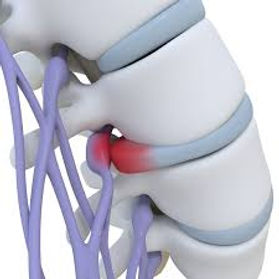
When a bulging or herniated disc shifts out of place, it can exert pressure on adjacent nerves. This compression hampers the transmission of messages between the nerves, central nervous system, and brain, culminating in chronic pain.
Without relief from compression, damaged discs struggle to heal, perpetuating patients' suffering and accompanying symptoms.
Spinal Decompression Creates A Negative Pressure
One proposed mechanism behind spinal decompression therapy is the creation of negative pressure within the disc.
As the spinal segments gently separate, pressure inside the disc may reduce temporarily.
This change in pressure may help:
• Reduce mechanical compression
• Improve movement of fluid within the disc
• Reduce stress on irritated spinal structures
Some research has suggested decompression may influence movement of disc material in certain patients, although outcomes vary significantly depending on:
• Disc size
• Degree of degeneration
• Chronicity of symptoms
• Nerve involvement
• Presence of instability

Why Treatment is Progressive and Needs Consistency
Spinal decompression therapy is usually progressed gradually over time.
This allows muscles, ligaments, joints and spinal discs to adapt progressively to increasing decompression forces.
Most structured programs involve:
• 3 visits per week
• Gradual increases in force (roughly 1 Kg per week)
• Ongoing monitoring of symptoms and response
Consistency is important, as irregular treatment schedules may reduce the ability to progressively build decompression tolerance.
When combined with the proper technique, axial spinal decompression therapy can stretch the spine to open disc spaces and IVFs.
Annular and nuclear material may be drawn back in by the negative pressure created by the decompression*
Success Rates: If the MRI indicates 0-3mm disc protrusion 95%, 3-5mm 90%, 5-7mm 80%, over 7mm 25% decompression therapy will resolve the herniation
*Computed Tomographic Evaluation of Lumbar Spinal Structures during Traction 2005, Vol. 21, No. 1 Pages 3-11 Hidayet Sari, MD, Ulku Akarimak, MD, etal.

Why We Require MRI Or CT Imaging
Because spinal decompression therapy applies mechanical forces to the spine, imaging is required before treatment begins.
CT or MRI imaging helps determine:
• Whether decompression is appropriate
• Which spinal levels require treatment
• Presence of contraindications
• Direction and severity of disc injury
• Treatment planning and progression
If we do not believe spinal decompression is appropriate for your condition, we will discuss alternative options or referral pathways.
Book A Spinal Decompression Therapy Assessment
All patients undergo a detailed assessment and imaging review before beginning treatment.
CT or MRI imaging is required prior to spinal decompression therapy.